
Table of Contents
Why Does My Ankle Hurt When Walking? Causes and Ankle
Pain Treatment in Penang
Many people experience ankle pain only when walking or putting weight on the foot. At first, the discomfort may feel mild and temporary, but if the pain persists, it may indicate an underlying injury or biomechanical problem.
Walking places significant pressure on the ankle joint. In fact, each step can place up to three times your body weight on the ankle. When there is inflammation, ligament damage, or muscle imbalance, this pressure can trigger pain during movement.
If your ankle hurts while walking, it may be a sign that your body needs proper assessment and treatment.
Seeking professional ankle pain treatment in Penang can help identify the root cause and prevent the problem from worsening over time.

How the Ankle Works During Walking
The ankle joint plays a critical role in maintaining balance and stability while walking.
During a typical walking cycle, the ankle must perform several functions:
- Absorb impact when the foot touches the ground
- Stabilise the body during weight transfer
- Propel the body forward during push-off
To perform these movements smoothly, the ankle relies on a complex system of:
- Ligaments that stabilise the joint
- Tendons that control movement
- Muscles that absorb impact and provide support
If any of these structures become injured or inflamed, pain may occur whenever weight is placed on the foot.
This is why ankle pain often becomes noticeable during walking rather than at rest.
Common Causes of Ankle Pain When Walking
Several conditions may cause ankle pain specifically during movement.
Understanding these causes helps physiotherapists design targeted treatment plans.
Ankle Sprain
An ankle sprain is one of the most common causes of pain when walking.
It occurs when the ligaments supporting the ankle stretch or tear due to sudden twisting or rolling of the foot.
Common situations that cause ankle sprains include:
- Sports activities
- Walking on uneven ground
- Sudden changes in direction
- Wearing unstable footwear
Symptoms may include:
- Pain when bearing weight
- Swelling around the ankle
- Bruising
- Limited mobility
Without proper rehabilitation, ankle sprains may lead to chronic ankle instability, causing repeated injuries.
Physiotherapy treatment helps restore ligament strength and joint stability.
Achilles Tendonitis
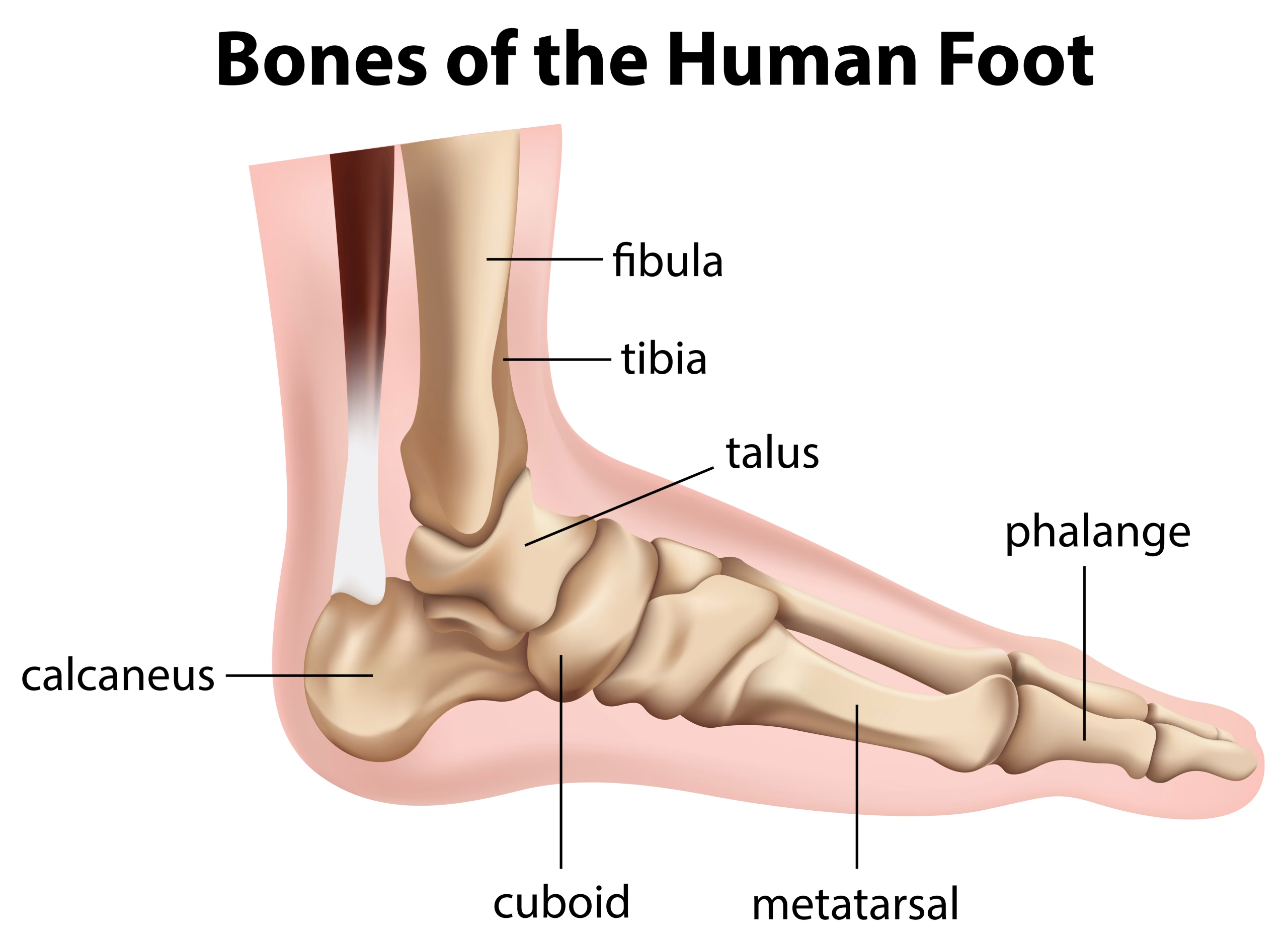
The Achilles tendon connects the calf muscles to the heel bone.
Overuse or repetitive stress can cause inflammation known as Achilles tendonitis.
People with this condition often experience:
- Pain behind the ankle when walking
- Stiffness in the morning
- Tenderness near the heel
- Increased pain after physical activity
Achilles tendon injuries are common among runners, athletes, and individuals who suddenly increase their physical activity levels.
Posterior Tibial Tendon Dysfunction
This tendon helps support the arch of the foot.
When it becomes inflamed or weakened, the arch may gradually collapse, causing pain along the inner ankle when walking.
Symptoms may include:
- Pain on the inside of the ankle
- Swelling along the tendon
- Flattening of the foot arch
- Difficulty walking long distances
Physiotherapy can help strengthen the tendon and improve foot mechanics.
Arthritis in the Ankle Joint
Arthritis occurs when the cartilage that cushions the ankle joint gradually wears away.
As the joint surfaces become rougher, walking may cause friction and pain.
Symptoms of ankle arthritis include:
- Joint stiffness
- Swelling after activity
- Deep aching pain during walking
- Reduced range of motion
Although arthritis is more common in older adults, it can also develop after past injuries.
Poor Foot Mechanics
Some individuals experience ankle pain due to structural or biomechanical problems.
Examples include:
- Flat feet
- High arches
- Weak ankle stabilising muscles
- Poor walking posture
These factors can place uneven pressure on the ankle joint, causing pain when walking.
Physiotherapy focuses on correcting these movement patterns and strengthening supporting muscles.
Warning Signs That Require Professional Assessment
While mild ankle discomfort may improve with rest, certain symptoms indicate the need for professional treatment.
You should consider seeing a physiotherapist if you experience:
- Pain lasting longer than one week
- Swelling that does not improve
- Difficulty walking normally
- Ankle instability or “giving way”
- Repeated ankle injuries
Ignoring these symptoms can lead to long-term joint problems and reduced mobility.
Persistent ankle problems may also affect nearby joints such as the knee or hip.
For example, abnormal walking patterns caused by ankle pain may eventually lead to knee pain, which is another common musculoskeletal issue treated by physiotherapists.
How Physiotherapy Diagnoses the Cause of Ankle Pain
Proper diagnosis is essential before beginning treatment.
At Lo Physiotherapy, physiotherapists conduct a comprehensive evaluation to identify the underlying cause of pain.
The assessment typically includes:
Physical Examination
The therapist checks for swelling, tenderness, and joint stability.
Range of Motion Testing
Tests measure how freely the ankle joint can move in different directions.
Muscle Strength Testing
Weak muscles surrounding the ankle may contribute to instability.
Walking and Posture Analysis
Observing the patient’s walking pattern helps identify biomechanical problems that may be causing the pain.
This detailed assessment allows physiotherapists to create a personalised treatment plan.
Physiotherapy Treatments for Ankle Pain When Walking
Physiotherapy focuses on restoring normal movement and strengthening the structures that support the ankle.
Depending on the diagnosis, treatment may include a combination of techniques.
Manual Therapy
Manual therapy involves hands-on techniques used to improve joint mobility and reduce muscle tension.
Benefits include:
- Improved ankle flexibility
- Reduced stiffness
- Better blood circulation
- Faster recovery
Manual therapy is particularly helpful for patients who experience limited movement after injuries.
Shockwave Therapy
Shockwave therapy uses acoustic waves to stimulate healing in injured tissues.
It is commonly used for:
- Chronic tendon injuries
- Long-term inflammation
- Soft tissue damage
Shockwave therapy helps accelerate tissue repair and reduce pain.
Dry Needling
Dry needling targets muscle trigger points that contribute to pain and restricted movement.
This technique helps:
- Release tight muscles
- Improve mobility
- Reduce chronic pain
Dry needling is often combined with exercise therapy for better results.
Ultrasound Therapy
Ultrasound therapy uses sound waves to stimulate deep tissue healing.
Benefits include:
- Reduced inflammation
- Improved blood circulation
- Faster tissue repair
Ultrasound therapy is commonly used for ligament injuries and tendon inflammation.
Rehabilitation Exercises for Ankle Pain
Exercise rehabilitation is one of the most important aspects of recovery.
Physiotherapists design specific exercises to restore strength and stability.
These exercises may include:
Ankle Strengthening Exercises
Resistance band exercises strengthen the muscles surrounding the ankle joint.
Balance Training
Balance exercises improve coordination and reduce the risk of future injuries.
Flexibility Exercises
Stretching exercises improve joint mobility and reduce stiffness.
Gait Training
Physiotherapists help patients correct their walking patterns to prevent further strain on the ankle.
Regular rehabilitation exercises significantly reduce the likelihood of recurring ankle pain.

Preventing Ankle Pain When Walking
Preventive strategies can help maintain ankle health and reduce the risk of future injuries.
Strengthen Lower Leg Muscles
Strong calf and ankle muscles provide better joint stability.
Wear Supportive Footwear
Shoes with proper arch support reduce pressure on the ankle.
Warm Up Before Exercise
Stretching and warm-up routines prepare the muscles for physical activity.
Avoid Sudden Increase in Physical Activity
Gradually increasing exercise intensity allows the body to adapt safely.
When Should You Seek Ankle Pain Treatment?
If ankle pain continues despite rest or begins to affect daily activities, it is important to seek professional treatment.
Early physiotherapy intervention can:
- Reduce pain and inflammation
- Restore mobility
- Strengthen ankle stabilising muscles
- Prevent chronic ankle problems
At Lo Physiotherapy, treatment plans are tailored to each patient’s condition, lifestyle, and recovery goals.
Their physiotherapy approach focuses on long-term recovery rather than temporary pain relief.
Frequently Asked Questions (FAQ)
1. What causes ankle pain when walking?
Ankle pain when walking can be caused by several conditions, including ankle sprains, tendon inflammation, arthritis, or muscle imbalances. In some cases, poor foot mechanics such as flat feet or high arches may place extra stress on the ankle joint. A professional assessment can help identify the exact cause and determine the most appropriate treatment.
2. How long does ankle pain take to heal?
The recovery time depends on the severity of the condition. Mild ankle sprains may heal within two to four weeks, while more serious ligament or tendon injuries may take six to twelve weeks or longer with physiotherapy rehabilitation. Early treatment often helps speed up recovery and prevent long-term complications.
3. Can ankle pain heal without treatment?
Some mild ankle discomfort may improve with rest, ice, and reduced activity. However, persistent ankle pain should not be ignored. Without proper rehabilitation, minor injuries can develop into chronic ankle instability or recurring pain. Physiotherapy helps address the underlying cause and supports proper healing.
4. When should I see a physiotherapist for ankle pain?
You should consider seeing a physiotherapist if you experience:
- Pain lasting longer than one week
- Swelling that does not improve
- Difficulty walking or bearing weight
- Repeated ankle sprains
- Limited ankle movement
Early treatment can significantly improve recovery outcomes.
5. Can physiotherapy help prevent future ankle injuries?
Yes. Physiotherapy not only treats ankle pain but also helps prevent future injuries. Through strengthening exercises, balance training, and movement correction, physiotherapists help stabilise the ankle joint and improve overall mobility.
Get Professional Ankle Pain Treatment in Penang
If you are experiencing ankle pain when walking, early treatment can make a significant difference in your recovery. Ignoring persistent ankle discomfort may lead to long-term joint problems or repeated injuries that affect your daily activities.
At Lo Physiotherapy, experienced physiotherapists provide personalised treatment plans designed to identify the root cause of your pain and restore your mobility safely.
Through a combination of manual therapy, advanced physiotherapy techniques, and guided rehabilitation exercises, patients can regain strength, improve joint stability, and return to their normal activities with confidence.
Whether your ankle pain is caused by a recent injury, overuse from sports, or long-term joint problems, professional physiotherapy can help you recover faster and prevent future complications.
Book a consultation today to start your journey toward pain-free movement and long-term ankle health.