
Table of Contents
Slipped Disc Treatment in Penang: Causes, Symptoms & Comprehensive Recovery Guide
What is a Slipped Disc?
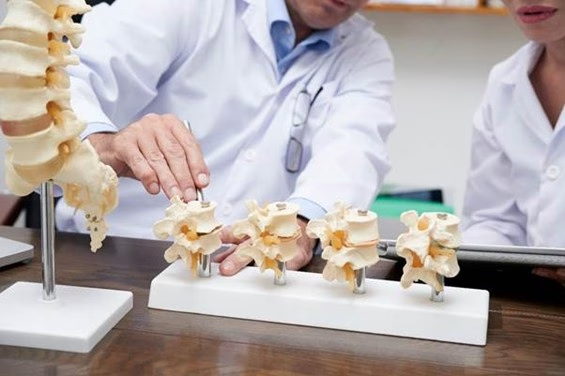
A slipped disc, also known as a herniated disc or prolapsed disc, occurs when the soft inner gel-like core (nucleus pulposus) of a spinal disc pushes out through a tear in the tougher outer layer (annulus fibrosus).
This bulge or rupture can:
- Press on nearby nerves (causing pain or numbness).
- Trigger muscle weakness.
- Affect posture and movement.
Slipped discs can happen anywhere along the spine, but they are most common in the lower back (lumbar spine) and sometimes in the neck (cervical spine).
Causes of Slipped Disc
While wear and tear is natural with age, certain factors make slipped discs more likely:
- Age & Disc Degeneration
- As we age, discs lose flexibility and hydration.
- Less shock absorption = higher risk of rupture.
- Sudden Trauma
- Car accidents, heavy falls, or sports injuries.
- Improper Lifting Techniques
- Bending and twisting when carrying heavy loads.
- Repetitive Movements
- Jobs that involve continuous bending, sitting, or driving.
- Lifestyle Factors
- Poor posture (slouching, forward head position).
- Obesity (extra weight strains spinal discs).
- Sedentary lifestyle (weakened core muscles).
Symptoms of Slipped Disc
Symptoms depend on where the disc is located and how much it presses on nerves:
- Lower Back (Lumbar Herniation)
- Lower back pain
- Radiating leg pain (sciatica)
- Tingling/numbness in legs or feet
- Weakness affecting walking or standing
- Neck (Cervical Herniation)
- Neck stiffness
- Shoulder and arm pain
- Numbness in hands/fingers
- Reduced grip strength
⚠️ Severe cases may cause loss of bladder/bowel control – a medical emergency that requires immediate treatment.
How Physiotherapy Helps Slipped Disc Patients
Unlike surgery, which may involve longer downtime, physiotherapy focuses on conservative, non-invasive management. At LO Physiotherapy, slipped disc treatment typically includes:
- Comprehensive Assessment
- Detailed movement analysis
- Postural evaluation
- Identifying aggravating activities
- Pain Relief Techniques
- Manual therapy
- Heat/ice application
- Electrical stimulation (if needed)
- Spinal & Core Stabilization
- Exercises to strengthen back and abdominal muscles
- Gentle stretching to release pressure on nerves
- Postural & Ergonomic Training
- Correcting sitting and standing habits
- Office ergonomics for desk workers
- Functional Rehabilitation
- Helping patients return to sports, work, and daily routines safely
Slipped Disc Treatment Options in Penang
At LO Physiotherapy, treatment is personalized depending on severity:
| Treatment Option | When It’s Used | Benefits |
| Physiotherapy & Rehab | First-line treatment for most cases | Non-invasive, strengthens long-term recovery |
| Pain Management | For acute pain or inflammation | Reduces pain, prepares for physiotherapy |
| Lifestyle & Ergonomic Coaching | Prevents recurrence | Supports long-term spine health |
💡 See also: Top 5 Conditions Treated by Pain Management in Penang
How Long Does Recovery Take?
Recovery depends on the severity of the slipped disc and the patient’s commitment to therapy:
- Mild cases → 4–6 weeks of consistent physiotherapy
- Moderate cases → 8–12 weeks with lifestyle adjustments
- Severe/chronic cases → 3–6 months rehabilitation + preventive care
The good news: most patients in Penang recover well without surgery when they seek early treatment.
Patient Journey at LO Physiotherapy
A typical recovery journey includes:
- Initial Visit & Assessment
- Understanding pain history, MRI/X-ray results if available.
- Acute Pain Management Phase
- Relieving pain, improving mobility.
- Rehabilitation Phase
- Strengthening core muscles and correcting posture.
- Return to Activity
- Gradual reintroduction to work, sports, or hobbies.
- Prevention & Maintenance
- Long-term exercise programs.
- Ergonomic and lifestyle education.
Preventing Slipped Disc
Even after recovery, prevention is key:
- Maintain good posture when sitting and standing.
- Use proper lifting techniques (bend at knees, not waist).
- Keep a healthy weight to reduce spinal load.
- Stay active – low-impact exercises like swimming, yoga, or walking.
- Strengthen your core muscles with regular physiotherapy guidance.
👉 Related read: Best Sports for Back Pain Treatment
People Also Ask About Slipped Disc Treatment
Do all slipped discs require surgery?
No. Over 80% of cases improve with conservative physiotherapy and lifestyle changes.
Is physiotherapy enough for severe slipped discs?
In most cases, yes. Surgery is only needed if there’s severe nerve compression or loss of bowel/bladder control.
Can slipped disc pain come back?
Yes, if lifestyle and posture habits don’t change. Prevention strategies at LO Physiotherapy reduce recurrence risk.
Will I be bedridden during recovery?
No. Rest helps during acute pain, but early movement under physiotherapist supervision speeds recovery.
Final Takeaway
A slipped disc may sound frightening, but with the right treatment plan, most people recover without surgery.
Our physiotherapists provide evidence-based slipped disc treatment in Penang, focusing on pain relief, functional recovery, and long-term prevention.
👉 If you’re struggling with back pain or numbness, don’t wait. Book your consultation today and start your recovery journey.