
Table of Contents
How Digital Lifestyles Are Affecting Your Body and What Physiotherapy Can Do
Managing the Physical Impact of Modern Digital Lifestyles
Technology has transformed the way people work, communicate, and live. Smartphones, laptops, tablets, and computers are now essential tools in both professional and personal life. While these technologies offer convenience and productivity, they have also introduced a new set of physical challenges known as digital lifestyle strain.
Spending long hours sitting at desks, looking down at mobile phones, or working on laptops can gradually affect the body’s posture, muscle balance, and joint mobility. Over time, these habits may lead to stiffness, fatigue, or persistent discomfort in areas such as the neck, shoulders, back, and wrists.
This growing issue has made physiotherapy in Penang increasingly important for individuals seeking to restore healthy movement patterns and prevent long-term musculoskeletal problems.
Physiotherapy does not only focus on treating pain after it occurs. It also addresses the underlying lifestyle habits and physical imbalances that contribute to discomfort, helping individuals maintain better posture, mobility, and overall physical well-being.
The Rise of Digital Lifestyle Strain
In the past, many occupations required physical labor or frequent movement. Today, however, a large portion of the population spends most of the day sitting in front of screens.
A typical day may involve:
- Working on a laptop for several hours
- Checking smartphones frequently
- Attending online meetings or virtual classes
- Spending leisure time watching videos or browsing social media
Although these activities may appear harmless individually, their cumulative effect can place continuous strain on muscles and joints.
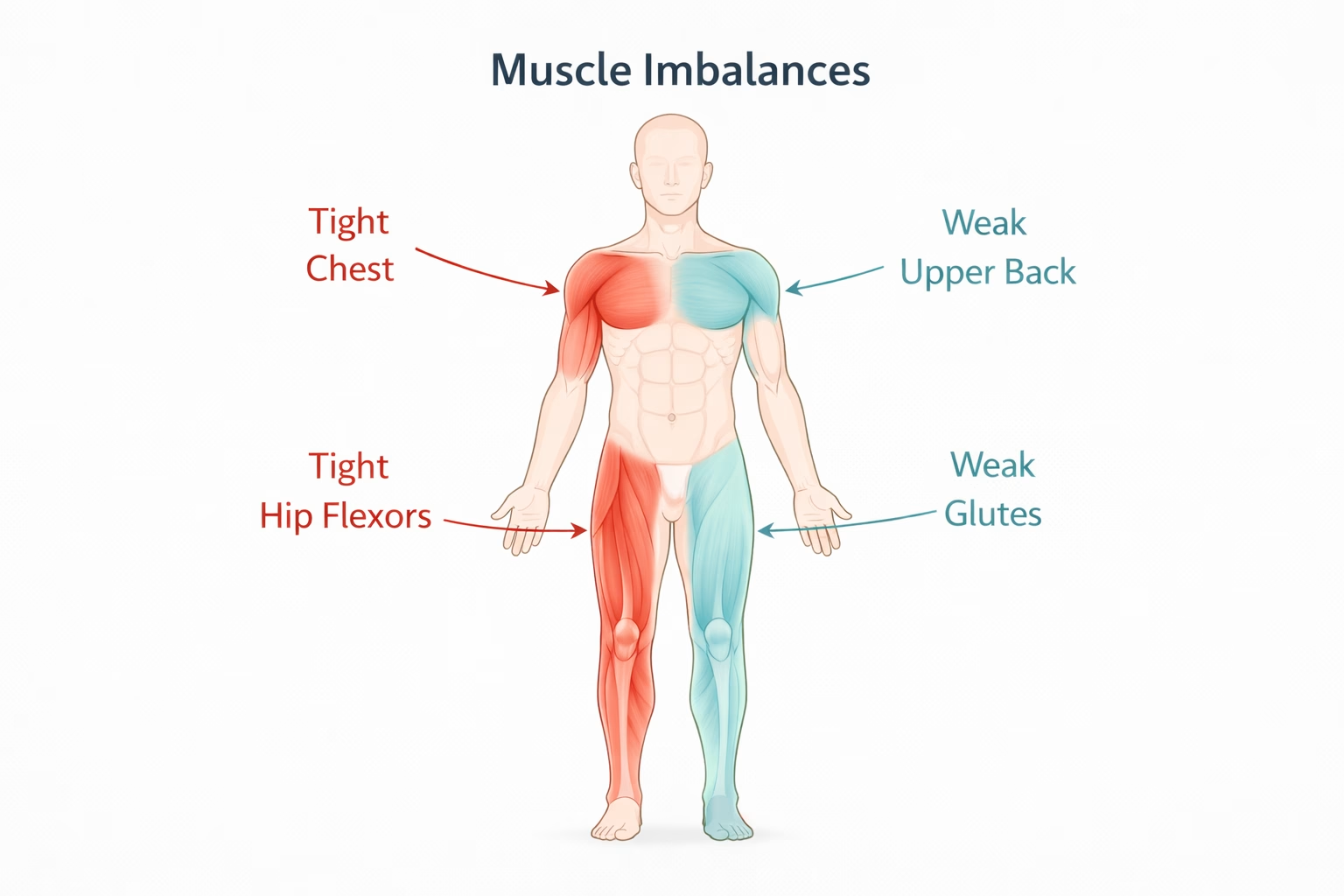
For example, looking down at a smartphone for extended periods increases pressure on the cervical spine. Similarly, prolonged sitting can weaken core muscles while tightening hip flexors. These small changes gradually alter the body’s natural alignment.
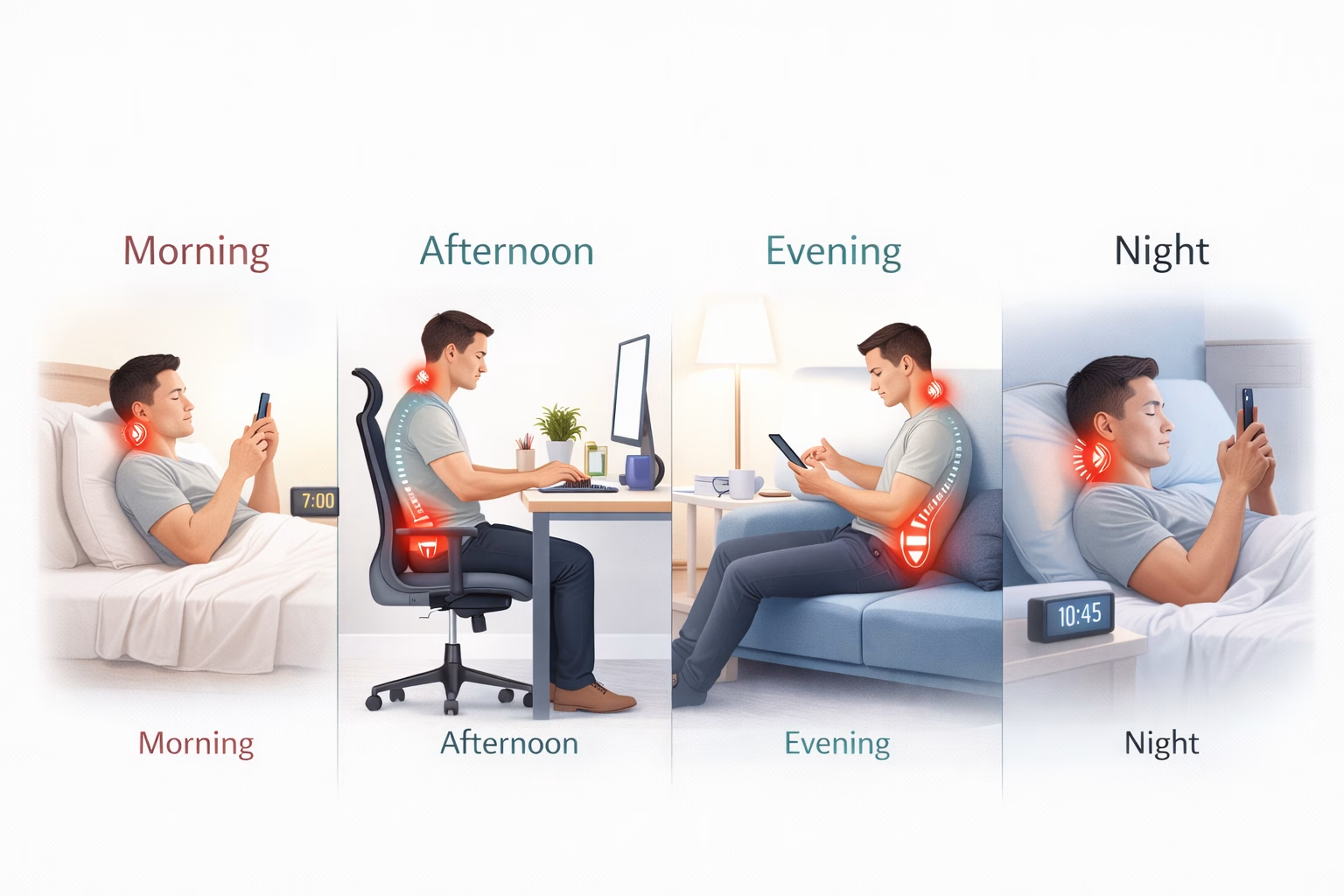
Over time, digital lifestyle habits may lead to:
- Neck stiffness and reduced mobility
- Shoulder tension and upper back tightness
- Lower back discomfort from prolonged sitting
- Wrist or forearm strain from repetitive typing
This is why many healthcare professionals now recognize digital lifestyle strain as one of the most common modern musculoskeletal challenges.
Common Postural Problems Caused by Digital Device Use
The frequent use of digital devices often encourages postures that place unnecessary stress on the body.
Forward Head Posture
Forward head posture occurs when the head moves ahead of the body’s natural alignment, usually due to prolonged screen viewing.
For every few centimeters the head moves forward, the load on the neck muscles increases significantly. This additional stress can lead to muscle fatigue and stiffness.
Physiotherapy helps correct this issue through postural retraining and strengthening exercises that support the neck and upper back.
Rounded Shoulders
Working on laptops or smartphones often encourages the shoulders to roll forward. This position shortens chest muscles and weakens upper back muscles.
Over time, rounded shoulders can reduce shoulder mobility and contribute to upper back discomfort.
Physiotherapy programs typically include mobility exercises and strengthening routines that restore balanced muscle function.
Prolonged Sitting Syndrome
Remaining seated for long periods reduces circulation and limits joint movement. This can lead to tight hips, weakened glute muscles, and increased pressure on the lower spine.
Physiotherapy helps counteract these effects by introducing movement strategies, stretching routines, and strengthening exercises designed to support spinal stability.
How Physiotherapy Helps Address Digital Lifestyle Strain
Professional physiotherapy focuses on identifying the root causes of discomfort rather than simply treating symptoms.
Postural Assessment and Analysis
A physiotherapist begins by evaluating posture, movement patterns, and muscle balance. This assessment helps determine how daily habits are affecting the body.
The evaluation may include:
- Spinal alignment assessment
- Joint mobility evaluation
- Muscle strength testing
- Functional movement observation
Understanding these factors allows physiotherapists to design targeted treatment plans that address each patient’s specific needs.
Corrective Exercise Programs
Exercise plays a central role in physiotherapy. Specific exercises help restore balance between tight and weak muscles caused by digital device use.
Examples may include:
- Neck stabilization exercises
- Upper back strengthening routines
- Core activation exercises
- Hip mobility drills
These exercises gradually improve posture and support healthy movement patterns.
Manual Therapy Techniques
Manual therapy involves hands-on treatment techniques that help reduce muscle tightness and improve joint mobility.
Common techniques may include:
- Soft tissue release
- Joint mobilization
- Trigger point therapy
These treatments complement exercise programs and help relieve tension built up from prolonged sitting or repetitive tasks.
Ergonomic Education
In addition to treatment, physiotherapists provide practical advice on improving workplace ergonomics.
Small adjustments such as raising monitor height, adjusting chair support, or positioning keyboards correctly can significantly reduce strain on the body.
Learning proper ergonomic habits helps prevent recurring discomfort.
Daily Habits That Help Reduce Digital Lifestyle Strain
While physiotherapy provides structured treatment, simple lifestyle changes can also support healthier posture and movement.
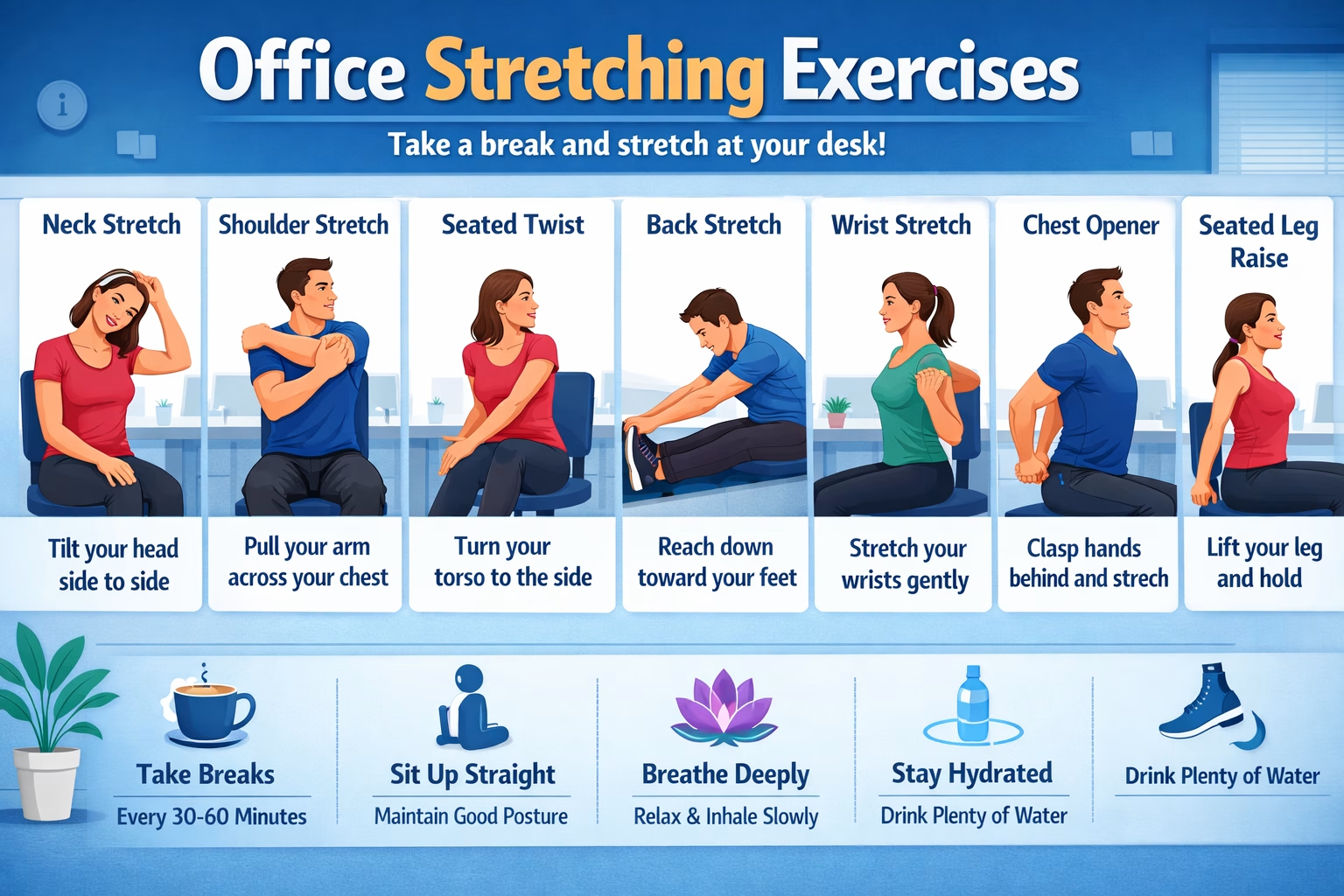
Take Regular Movement Breaks
Standing up, stretching, or walking briefly every 30–60 minutes can reduce muscle stiffness and improve circulation.
Maintain Neutral Screen Position
Screens should ideally be positioned at eye level to avoid excessive neck bending.
Perform Mobility Exercises
Simple stretches for the neck, shoulders, and hips can help counteract the effects of prolonged sitting.
Strengthen Postural Muscles
Exercises that strengthen the upper back and core help maintain proper alignment during daily activities.
These habits work together with physiotherapy to promote long-term musculoskeletal health.
Who Can Benefit from Physiotherapy for Digital Lifestyle Strain?
Many individuals may benefit from physiotherapy, particularly those whose daily routines involve extended screen time.
Office Professionals
People working long hours at desks may develop neck, shoulder, and back tension. Physiotherapy helps correct posture and improve movement efficiency.
Students
Students frequently using laptops and mobile devices may develop poor posture habits early in life. Physiotherapy helps promote healthy movement patterns.
Remote Workers
Working from home sometimes leads to less ergonomic setups compared to office environments. Physiotherapy can provide guidance on creating healthier workspaces.
Individuals Experiencing Persistent Muscle Tightness
Anyone experiencing recurring stiffness or discomfort due to daily activities may benefit from professional physiotherapy assessment.
Long-Term Benefits of Addressing Digital Lifestyle Strain
When posture and movement patterns improve, individuals often experience broader health benefits.
These may include:
- Improved flexibility and joint mobility
- Reduced muscle tension and fatigue
- Better spinal alignment
- Enhanced comfort during daily activities
- Greater body awareness and movement efficiency
By addressing digital lifestyle strain early, individuals can maintain better physical health and prevent long-term musculoskeletal issues.
Physiotherapy Services in Penang at Lo Physiotherapy
For those seeking professional physiotherapy service in Penang, choosing a clinic that emphasizes personalized treatment is essential.
At Lo Physiotherapy, physiotherapists focus on understanding each patient’s lifestyle, posture, and movement habits before developing tailored rehabilitation programs.
By combining modern physiotherapy techniques with patient education, Lo Physiotherapy aims to help individuals:
- Improve posture and mobility
- Restore healthy movement patterns
- Reduce digital lifestyle-related strain
- Maintain long-term musculoskeletal health
Frequently Asked Questions
1. How do I know if my discomfort is caused by digital device use?
If your symptoms worsen after long periods of screen time, such as neck stiffness, shoulder tension, or wrist fatigue, digital posture habits may be contributing factors.
2. Can physiotherapy help improve posture permanently?
Physiotherapy provides exercises and strategies that retrain muscles and movement patterns. With consistent practice and improved daily habits, posture can significantly improve over time.
3. Do I need severe pain before seeing a physiotherapist?
No. Many people seek physiotherapy to address stiffness, poor posture, or movement limitations before they develop into more serious conditions.
4. How often should I take breaks from screen use?
Short movement breaks every 30–60 minutes can help reduce muscle fatigue and improve circulation.
5. Can physiotherapy help people who work from home?
Yes. Physiotherapists can provide advice on home workstation setup, posture correction, and exercises to prevent strain during remote work.
6. Are exercises from physiotherapy difficult to follow?
Most physiotherapy exercises are simple and designed to fit into daily routines. Consistency is more important than intensity.
Conclusion
Modern technology has become a central part of everyday life, but the physical impact of prolonged screen use should not be overlooked. Digital lifestyle habits can gradually influence posture, muscle balance, and joint mobility, potentially leading to discomfort or movement limitations.
Through professional physiotherapy Penang service, individuals can address these challenges effectively by improving posture, strengthening key muscle groups, and adopting healthier movement habits.
By combining physiotherapy treatment with simple lifestyle adjustments, it is possible to maintain a healthier body even in a highly digital world.