
Table of Contents
Dry Needling Penang: A Targeted Physiotherapy Approach for Treating Muscle Dysfunction and Myofascial Pain
Muscle stiffness, persistent soreness, and painful knots are common problems affecting people of all lifestyles. From office workers experiencing chronic neck tension to athletes dealing with muscle fatigue, these issues often stem from underlying muscle dysfunction.
One highly effective treatment used in physiotherapy today is dry needling, a specialised technique designed to target trigger points within the muscles. By stimulating these sensitive areas, physiotherapists can release tight muscle fibres, restore circulation, and promote faster healing.
For individuals seeking dry needling in Penang, this treatment offers a clinically supported solution for managing myofascial pain, improving mobility, and enhancing overall muscle health.
Understanding Myofascial Pain and Trigger Points
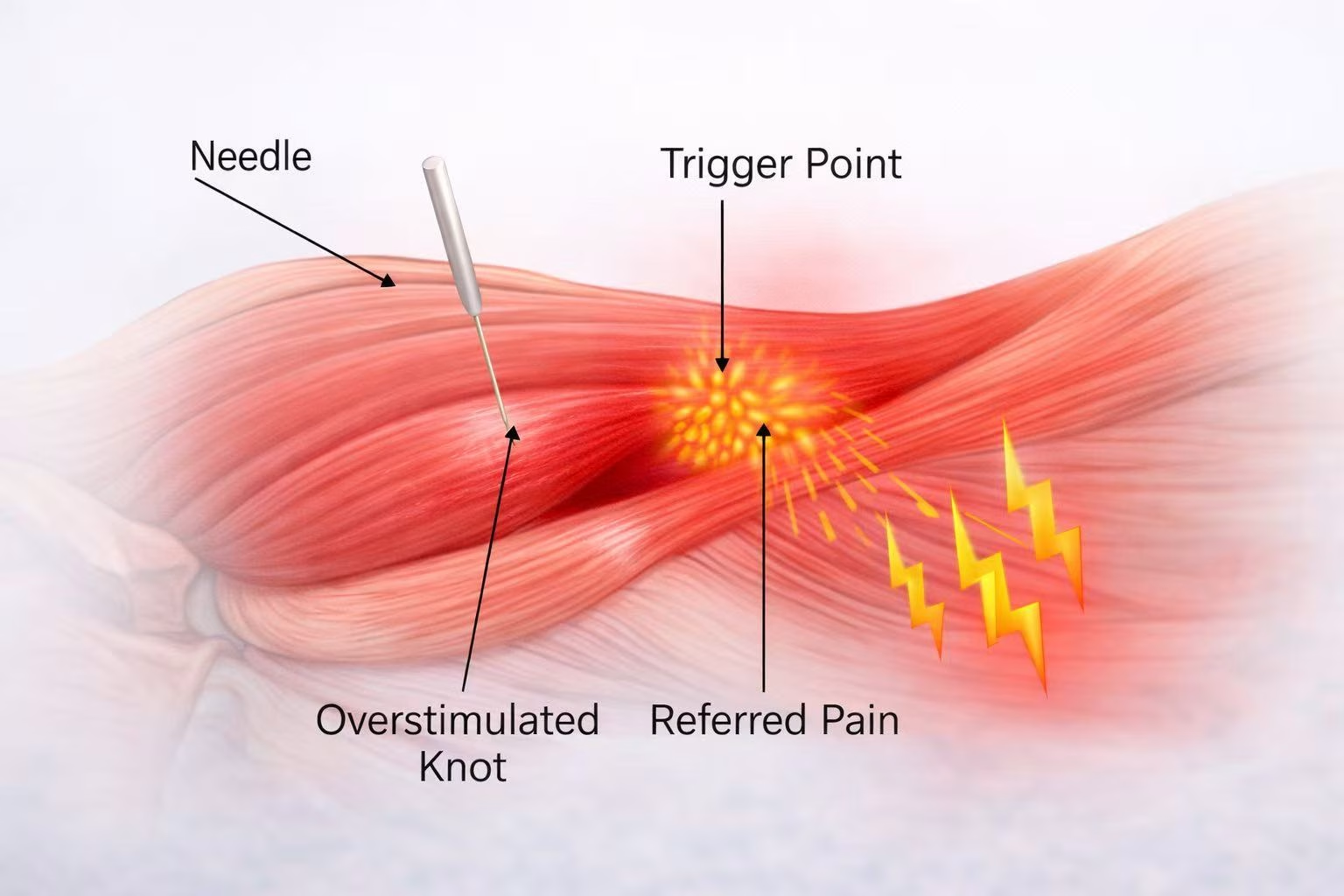
To understand how dry needling works, it is important to first understand myofascial pain syndrome, a condition caused by tight and sensitive areas within muscle tissue known as trigger points.
Trigger points develop when muscle fibres remain contracted for extended periods. This prolonged contraction can restrict blood flow, limit oxygen supply, and cause metabolic waste to accumulate in the muscle.
As a result, patients may experience:
- Localised muscle pain
- Tender muscle knots
- Reduced range of motion
- Muscle weakness
- Pain that spreads to other areas
For example, trigger points in the shoulder muscles may cause pain that radiates toward the neck or head, leading to tension headaches.
Dry needling is specifically designed to deactivate these trigger points, helping the muscle return to its normal relaxed state.
How Dry Needling Works in Physiotherapy
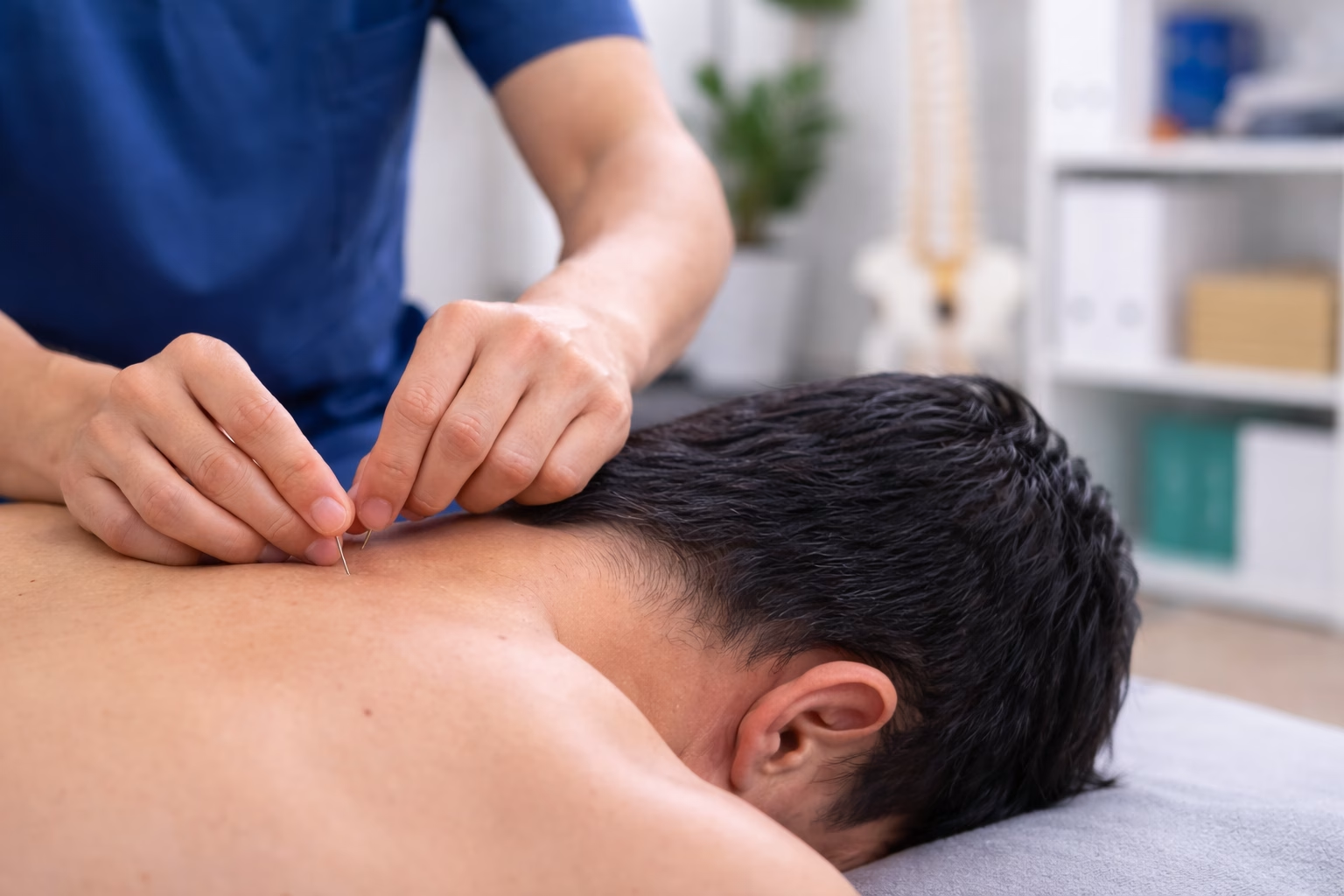
Dry needling is performed using very thin, sterile needles that are inserted directly into trigger points within the muscle.
The primary goal of the treatment is to stimulate the muscle and encourage it to release its tight contraction.
When the needle reaches the trigger point, it may produce a local twitch response, which is a brief involuntary contraction of the muscle.
This response indicates that the targeted muscle fibres are being activated and released.
Several physiological processes occur after this stimulation:
Release of Muscle Tension
The needle disrupts the tight contraction of muscle fibres, allowing them to relax.
Improved Blood Circulation
Dry needling increases blood flow to the affected area, delivering oxygen and nutrients necessary for tissue repair.
Reduction of Pain Signals
The treatment helps reduce sensitivity in the nervous system by lowering the activity of pain receptors in the muscle.
Stimulation of Natural Healing
By triggering the body’s natural repair mechanisms, dry needling supports faster recovery of injured or overused muscles.
Conditions That Can Benefit from Dry Needling
Dry needling is widely used by physiotherapists to treat various musculoskeletal conditions.
Patients seeking the treatment may benefit from this therapy if they experience the following conditions.
Chronic Neck and Shoulder Tension
Modern lifestyles involving prolonged computer use and mobile phone usage often lead to tight neck and shoulder muscles.
Trigger points in these areas can cause:
- Neck stiffness
- Shoulder pain
- Tension headaches
- Limited neck mobility
Dry needling helps release the tight muscle fibres responsible for these symptoms.
Lower Back Muscle Dysfunction
Muscle imbalances in the lower back can create persistent discomfort, especially for individuals who sit for long hours or perform repetitive movements.
Dry needling can help reduce muscle tension in the lumbar region and improve spinal mobility.
Sports Injuries and Muscle Overuse
Athletes frequently develop trigger points due to repetitive training and muscle fatigue.
Dry needling can support recovery by:
- Reducing muscle stiffness
- Improving muscle activation
- Restoring normal movement patterns
This is particularly beneficial for sports involving repetitive motions such as running, tennis, or weight training.
Postural Muscle Imbalance
Poor posture can place uneven stress on certain muscles while weakening others.
For example, forward head posture often causes tight chest and neck muscles while weakening the upper back.
Dry needling helps release tight muscles so physiotherapy exercises can more effectively restore muscular balance.
Chronic Muscle Tightness
Some individuals experience long-term muscle stiffness that does not improve with stretching alone.
Dry needling can reach deeper muscle layers that manual therapy or stretching may not fully address.
What Happens During a Dry Needling Session?
For many first-time patients, understanding the treatment process helps reduce anxiety and uncertainty.
Initial Physiotherapy Assessment
Before performing dry needling, a physiotherapist will conduct a comprehensive assessment that may include:
- Postural analysis
- Range of motion testing
- Muscle strength evaluation
- Palpation of trigger points
This evaluation ensures that the treatment targets the specific muscles contributing to pain or dysfunction.
Needle Insertion
The physiotherapist inserts a sterile, hair-thin needle directly into the trigger point.
Most patients feel only a small prick when the needle enters the skin.
When the needle reaches the trigger point, a twitch response may occur.
Although this sensation can feel unusual, it usually lasts only a second and indicates the treatment is working.
Muscle Release and Relaxation
Once the trigger point is stimulated, the muscle gradually begins to relax.
Many patients notice:
- Reduced muscle tightness
- Improved range of motion
- Immediate or gradual pain relief
Post-Treatment Exercises
Dry needling is often combined with physiotherapy exercises to improve long-term outcomes.
Patients may be guided through:
- Stretching exercises
- Strengthening programs
- Postural corrections
- Movement retraining
These exercises help prevent trigger points from returning.
Benefits of Dry Needling for Musculoskeletal Health
Dry needling offers numerous benefits when incorporated into a physiotherapy treatment plan.
Fast and Targeted Pain Relief
Because the treatment directly targets trigger points, relief can often be felt quickly.
Improved Muscle Mobility
By releasing tight muscle fibres, dry needling allows muscles to move more freely.
Enhanced Recovery from Injury
Improved circulation helps accelerate tissue healing and recovery.
Reduced Muscle Fatigue
Athletes and active individuals often use dry needling to improve muscle performance and reduce fatigue.
Non-Surgical and Drug-Free Treatment
Dry needling provides a natural method of pain relief without medication or surgery.
Combining Dry Needling with Comprehensive Physiotherapy
While dry needling is highly effective, it works best when combined with a broader physiotherapy program.

Physiotherapists often integrate dry needling with treatments such as:
Manual Therapy
Hands-on techniques used to mobilise joints and soft tissues.
Therapeutic Exercises
Targeted exercises designed to strengthen weak muscles and improve stability.
Posture Correction
Education and ergonomic adjustments help patients maintain healthier movement patterns.
Movement Rehabilitation
Patients learn proper movement techniques to prevent reinjury.
This comprehensive approach ensures that both symptoms and underlying causes are addressed.
Is Dry Needling Safe?
When performed by qualified physiotherapists, dry needling is considered a safe and effective treatment.
Clinics follow strict safety protocols including:
- Single-use sterile needles
- Professional training and certification
- Detailed anatomical knowledge
Most side effects are mild and temporary, such as:
- Slight soreness
- Minor bruising
- Temporary fatigue
These symptoms usually resolve within one to two days.
Who Should Consider Dry Needling Treatment?
Dry needling may be recommended for individuals experiencing:
- Persistent muscle knots
- Chronic muscle stiffness
- Recurrent sports injuries
- Neck or shoulder tension
- Limited range of motion
- Muscle pain that does not respond to stretching
A physiotherapist can determine whether dry needling is suitable after conducting a proper assessment.
Frequently Asked Questions About Dry Needling
1. How quickly can I feel results after dry needling?
Many patients notice improvements such as reduced muscle tension or improved mobility within 24 to 72 hours after treatment. However, the response varies depending on the severity of the condition and how long the muscle dysfunction has been present.
2. Do I need to prepare anything before a dry needling session?
Generally, no special preparation is required. However, patients are usually advised to:
- Stay well hydrated
- Wear comfortable clothing that allows access to the treatment area
- Avoid intense exercise immediately before the session
These steps can help make the treatment more comfortable.
3. What should I do after a dry needling treatment?
After treatment, patients are encouraged to:
- Perform recommended stretching exercises
- Drink plenty of water
- Avoid heavy workouts for the rest of the day
Mild soreness can occur but typically subsides within a day or two.
4. Who should avoid dry needling?
While dry needling is generally safe, it may not be suitable for individuals who:
- Have a strong fear of needles
- Are currently experiencing certain infections or skin conditions near the treatment area
- Have bleeding disorders or are taking specific blood-thinning medications
A qualified physiotherapist will always conduct an assessment to determine whether the treatment is appropriate.
5. Can dry needling be combined with other physiotherapy treatments?
Yes. In most cases, dry needling is used as part of a broader physiotherapy program. It is commonly combined with rehabilitation exercises, manual therapy, posture correction, and mobility training to address both the symptoms and underlying causes of pain.
Restore Muscle Function with Professional Dry Needling Treatment
Persistent muscle tension and trigger points can significantly impact daily comfort, physical performance, and overall mobility.
With targeted physiotherapy techniques such as dry needling, it is possible to release tight muscles, improve circulation, and restore natural movement.
If you are experiencing ongoing muscle pain or stiffness, professional dry needling Penang treatment at Lo Physiotherapy can help you achieve long-lasting relief and improved physical wellbeing.