
Table of Contents
Acupuncture for Pain Management in Penang – Natural Relief with Clinical Backing
Understanding Acupuncture for Pain Management
Acupuncture is a form of therapy that involves inserting very fine needles into specific points on the body to relieve pain and promote healing. In pain management, acupuncture bridges ancient Chinese techniques with modern anatomical and neurological knowledge, making it an increasingly popular therapy in Penang’s physiotherapy and rehabilitation clinics.
Whether you’re suffering from a sports injury, chronic back pain, or headaches, acupuncture can help reduce pain, improve mobility, and support recovery, all without medication.

How Acupuncture Alleviates Pain
Acupuncture affects both the local tissues and the central nervous system. Here’s how:
🔬 Localized Effects
- Increases blood circulation to injured areas
- Reduces inflammation and swelling
- Releases muscle knots and trigger points
🧠 Neurological Response
- Stimulates the brain and spinal cord to release pain-relieving chemicals like endorphins and serotonin
- Reduces pain perception and modulates nerve sensitivity
🔄 Systemic Regulation
- Balances the autonomic nervous system (helps reduce stress and tension)
- Enhances immune function and supports tissue regeneration
Scientific research shows that acupuncture can also regulate inflammatory markers and improve the activity of neurotransmitters involved in pain perception.
The Science Behind Acupuncture for Pain Relief
Acupuncture’s effectiveness goes beyond tradition, modern research offers a robust explanation for how and why it works. Here’s what science reveals:
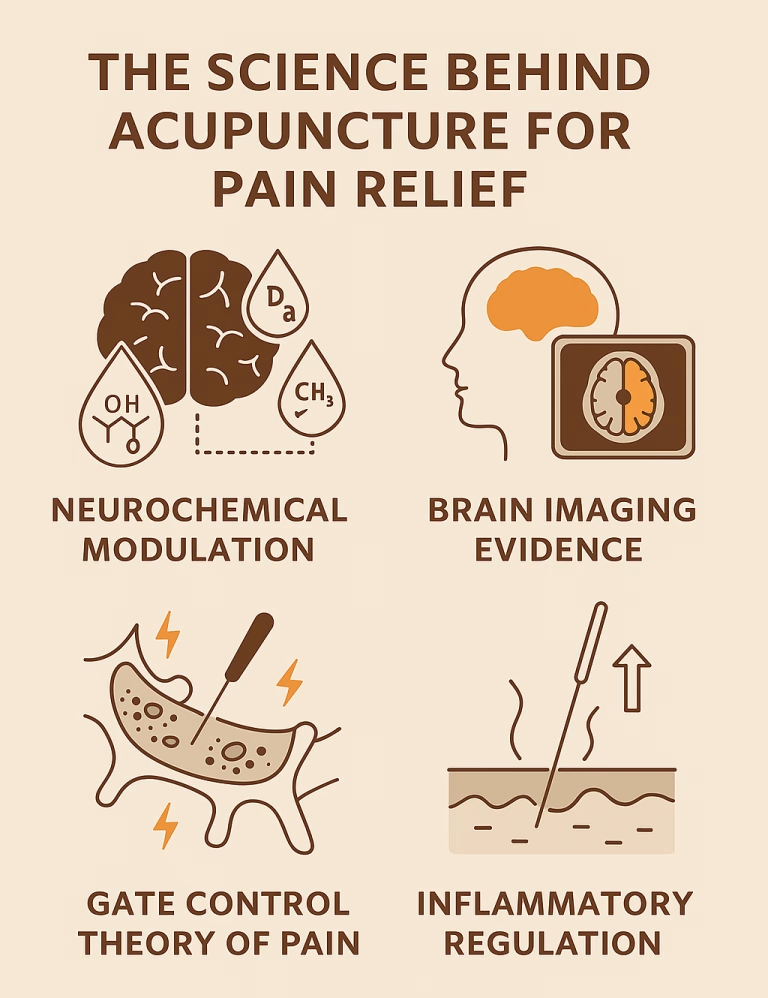
🧬 Neurochemical Modulation
Acupuncture triggers the release of endogenous opioids, the body’s natural painkillers, such as:
- Endorphins
- Enkephalins
- Dynorphins
These biochemicals act on the central and peripheral nervous systems to reduce pain signals and promote a sense of well-being.
🧠 Brain Imaging Evidence
Functional MRI (fMRI) studies show that acupuncture:
- Activates pain-inhibiting centers in the brainstem, hypothalamus, and limbic system
- Suppresses overactive pain pathways (used in chronic pain conditions)
- Alters brain connectivity patterns associated with pain memory and perception
This means acupuncture doesn’t just numb pain, it can retrain the brain’s response to pain.
⚡ Gate Control Theory of Pain
Needling stimulates A-delta and C fibers, which:
- “Close the gate” in the spinal cord to incoming pain signals
- Prevent pain messages from reaching the brain
- Promote a feeling of pressure or warmth instead of pain
This theory explains acupuncture’s ability to interrupt chronic pain cycles.
🔄 Inflammatory Regulation
Research also shows that acupuncture:
- Downregulates pro-inflammatory cytokines (e.g., TNF-α, IL-6)
- Promotes anti-inflammatory responses, speeding up recovery
- Enhances microcirculation to reduce swelling and tissue irritation
These responses support healing, especially in inflammatory conditions like arthritis or tendonitis.
What Conditions Can Be Treated with Acupuncture?
Acupuncture is suitable for both acute injuries and chronic pain. In our Penang clinic, it’s commonly used to treat:
✅ Back and Neck Pain
- Muscle tension from poor posture or prolonged sitting
- Disc-related discomfort and nerve irritation (sciatica)
✅ Shoulder and Elbow Pain
- Frozen shoulder
- Rotator cuff strains
- Tennis/golfer’s elbow
✅ Headaches and Migraines
- Tension-type headaches due to neck stiffness
- Cluster and migraine relief through nerve modulation
✅ Knee, Hip, and Joint Pain
- Arthritis-related discomfort
- Post-operative joint rehabilitation
✅ Muscle Strain and Sports Injuries
- Hamstring, calf, and quadriceps injuries
- Faster healing and improved mobility
✅ Nerve-related Conditions
- Sciatica
- Carpal tunnel syndrome
Benefits of Acupuncture for Pain Management
- Non-invasive and drug-free alternative for chronic pain
- Targets both symptoms and underlying causes of pain
- Complements other therapies like physiotherapy, massage, and exercise
- Safe and low risk when performed by trained professionals
- Reduces reliance on pain medications, especially long-term
Acupuncture vs Other Pain Relief Options
Therapy Type | Invasiveness | Pain Relief Speed | Drug-Free | Customizable |
Acupuncture | Minimal | Moderate – Fast | Yes | Yes |
Oral Medications | None | Fast (temporary) | No | No |
Physiotherapy | Low | Moderate | Yes | Yes |
Surgery | High | Long-Term | No | Limited |
Why Choose Our Penang Clinic for Acupuncture?
🩺 Qualified and certified practitioners experienced in clinical acupuncture
🌿 Integrated with physiotherapy for complete musculoskeletal care
🤝 Patient-centred plans tailored to your goals, lifestyle, and condition
📍 Convenient Penang location with flexible appointments and private rooms
People Also Ask About Acupuncture for Pain Management in Penang
Is acupuncture safe for long-term use?
Yes, especially when performed by qualified professionals. Regular sessions can be spaced out for chronic management.
Will I feel immediate relief after a session?
Some feel better instantly; others see gradual improvement over 2 to 5 sessions, depending on the issue.
Are there any side effects?
Minor bruising, soreness, or light-headedness can occur but typically resolve within a day.
Can acupuncture treat inflammatory conditions like arthritis or tendonitis?
Yes, it helps regulate inflammation, improves microcirculation, and reduces joint pain.
Take the Next Step Toward Pain-Free Living
If you’re tired of relying on painkillers or struggling with ongoing discomfort, acupuncture offers a proven path to healing.
Book a consultation with our Penang clinic today and experience how acupuncture can rebalance your body, reduce pain, and restore your quality of life, naturally.