
Table of Contents
When Joint Pain Isn’t Really a Joint Problem: A Smarter Way to Understand Joint Pain Treatment
Many people assume that pain in a joint must mean something is wrong with the joint itself. If the knee hurts, they assume the knee is damaged. If the shoulder aches, they believe the joint structure must be injured.
However, modern physiotherapy research shows that joint pain is often more complex than it appears. In many cases, the discomfort people feel around their joints is actually caused by surrounding muscles, nerves, movement patterns, or biomechanical imbalances.
Understanding the true cause of pain is essential because treating the wrong structure can lead to ineffective recovery. This is why professional joint pain treatment in Penang focuses on evaluating the entire movement system rather than only the painful joint.
At Lo Physiotherapy, physiotherapists assess how the body moves as a whole to determine the root cause of pain and design a targeted rehabilitation plan.
Why Joint Pain Can Be Misleading
The human body functions as a connected kinetic chain. Muscles, joints, ligaments, and nerves work together to produce movement.
When one part of this system becomes weak or restricted, other structures may compensate to maintain movement. Over time, these compensations can place additional stress on certain joints, eventually leading to pain.
For example:
- Weak hip muscles can lead to knee pain
- Limited ankle mobility can affect knee and hip alignment
- Poor shoulder stability can cause neck tension
- Spinal stiffness can influence hip or knee movement
Because of these interconnected relationships, pain often appears in a different location from the actual problem.
A thorough physiotherapy assessment helps identify these hidden causes and ensures that treatment addresses the underlying issue rather than only the symptoms.
Common Hidden Causes of Joint Pain
Muscle Imbalances
Muscles surrounding joints play a crucial role in stabilizing movement. When some muscles become weak while others become tight or overactive, joint alignment can be affected.
For example:
- Weak glute muscles may lead to increased pressure on the knees
- Tight chest muscles can pull the shoulders forward, causing shoulder pain
- Weak core muscles can place extra strain on the lower back
Muscle imbalances are a common reason why individuals develop recurring joint discomfort even without injuries.
Physiotherapy programs often focus on restoring muscular balance through targeted strengthening and flexibility exercises.
You can learn more about professional rehabilitation approaches through Lo Physiotherapy’s consultation services in Penang.
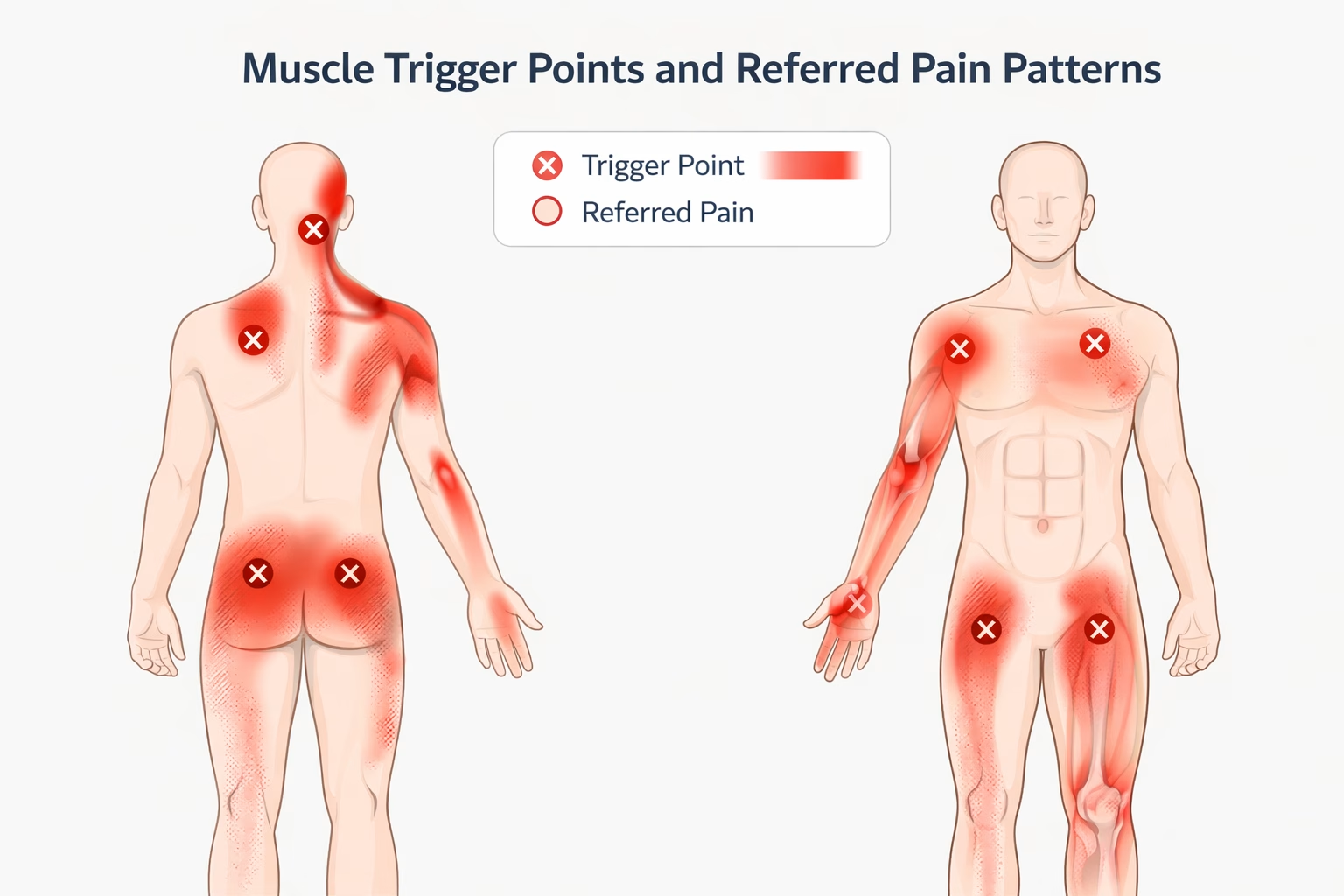
Trigger Points in Muscles
Another overlooked cause of joint pain is myofascial trigger points.
Trigger points are tight, sensitive areas within muscle fibers that can produce pain locally or refer pain to nearby joints.
For instance:
- Trigger points in the quadriceps may mimic knee pain
- Tight shoulder muscles can cause pain that feels like joint inflammation
- Muscle knots in the neck may lead to headaches or shoulder discomfort
Physiotherapists may use techniques such as manual therapy or dry needling to release these trigger points and restore normal muscle function. These treatments target muscular dysfunction that may be contributing to joint pain.
Nerve Irritation or Compression
Sometimes, joint pain may actually originate from nerve irritation.
Nerves travel from the spine to different parts of the body, transmitting signals that allow muscles and joints to function properly. When a nerve becomes irritated or compressed, it can produce pain, tingling, or weakness in nearby joints.
Examples include:
- Sciatic nerve irritation causing hip or knee pain
- Cervical nerve compression leading to shoulder or arm discomfort
- Nerve tension affecting movement patterns
In such cases, addressing the nerve source rather than the joint itself becomes the priority.
Physiotherapists may incorporate nerve mobility exercises and postural corrections to relieve pressure on affected nerves.
Movement Pattern Dysfunction
Another hidden factor behind joint pain is inefficient movement patterns.
Everyday activities such as walking, lifting, or reaching require coordinated movement between different joints and muscles. If the body develops inefficient movement habits, certain joints may become overloaded.
For example:
- Walking with poor hip control can increase knee stress
- Lifting objects with incorrect posture may strain the spine
- Reaching overhead with poor shoulder mechanics can cause shoulder pain
These dysfunctional movement patterns often develop gradually due to lifestyle habits or previous injuries.
Physiotherapy rehabilitation focuses on retraining the body to move more efficiently and reducing unnecessary stress on joints.
5 Joints Most Affected by Hidden Movement Problems
Many people associate joint pain with obvious injuries or aging. However, in clinical practice, physiotherapists frequently observe that joint discomfort develops gradually due to hidden movement dysfunctions that build up over time.
When muscles, posture, or movement mechanics are not functioning optimally, certain joints compensate by absorbing additional stress. These compensations may eventually lead to persistent discomfort or reduced mobility.
Understanding which joints are most vulnerable to these hidden problems can help individuals recognize early symptoms and seek appropriate treatment before the condition becomes more serious.
Below are five joints commonly affected by underlying movement issues.
Knee Joint
The knee is one of the most frequently affected joints because it acts as a central load-bearing structure between the hips and ankles.
While knee pain is often blamed on cartilage wear or ligament strain, the real problem may originate elsewhere.
For example:
- Weak hip stabilizing muscles can cause the knee to collapse inward during walking or running
- Limited ankle mobility may change how the knee absorbs impact
- Poor lower limb alignment can place uneven pressure on the knee joint
Over time, these imbalances increase stress on knee structures and may lead to conditions such as patellofemoral pain syndrome or tendon irritation.
Physiotherapy assessment focuses on identifying how the hips, ankles, and surrounding muscles influence knee mechanics. By correcting these underlying issues, joint pressure can be reduced and long-term recovery becomes more sustainable.
Shoulder Joint
The shoulder is one of the most mobile joints in the body, allowing a wide range of movement for activities such as reaching, lifting, and throwing.
However, this mobility also makes the shoulder highly dependent on muscular stability.
When the muscles responsible for stabilizing the shoulder blade become weak or imbalanced, the shoulder joint may move inefficiently. This can create excessive friction within the joint during everyday movements.
Common contributing factors include:
- Poor desk posture
- Repetitive overhead activities
- Weak upper back muscles
- Tight chest muscles
These issues may eventually lead to shoulder pain, impingement, or limited range of motion.
At Lo Physiotherapy, physiotherapy programs emphasize restoring proper shoulder mechanics through targeted strengthening, mobility training, and posture correction.
Hip Joint
The hip joint plays a critical role in maintaining balance, stability, and efficient movement during walking, running, and standing.
Because of its central role in movement, hip dysfunction can influence many other parts of the body.
When hip muscles are weak or inactive, surrounding joints may compensate to maintain stability. For instance, insufficient hip strength can increase stress on the knees and lower back.
Common hidden contributors to hip-related discomfort include:
- Prolonged sitting habits
- Weak gluteal muscles
- Limited hip mobility
- Poor pelvic stability
Many individuals with knee or lower back pain are surprised to discover that improving hip strength significantly reduces their symptoms.
Physiotherapy rehabilitation often focuses on restoring hip stability to improve overall movement efficiency and reduce stress across the lower body.
Ankle Joint
The ankle joint is essential for maintaining balance and absorbing impact during movement. Despite its importance, ankle mobility is often overlooked.
Restricted ankle movement can alter walking mechanics and shift excessive load to the knees and hips.
Some factors that may limit ankle mobility include:
- Previous ankle sprains
- Muscle tightness in the calf
- Lack of flexibility from inactivity
- Improper footwear
When the ankle cannot move freely, other joints may compensate to maintain balance. This can gradually lead to discomfort in the knees, hips, or even the lower back.
Physiotherapy treatments often include mobility exercises and strengthening programs that help restore ankle function and improve overall movement patterns.
Spinal Joints
The spine consists of multiple joints that support posture, stability, and movement.
Because the spine connects the upper and lower body, problems in spinal mobility or alignment can influence many other joints.
Common factors contributing to spinal joint stress include:
- Prolonged sitting
- Poor ergonomic setup
- Weak core muscles
- Repetitive bending or lifting
Spinal stiffness may cause compensations in nearby joints, particularly the hips and shoulders.
In many cases, addressing spinal mobility and improving core stability can significantly reduce discomfort in other parts of the body.
Lo Physiotherapy also incorporates techniques such as dry needling to relieve muscular tension that may affect spinal joints and surrounding tissues.
Why Accurate Diagnosis Is Essential
One of the most important steps in effective joint pain management is accurate diagnosis.
Without identifying the true source of pain, treatments may only provide temporary relief.
For example:
- Treating knee pain without addressing weak hips may lead to recurring symptoms
- Stretching a painful shoulder without improving stability may worsen the condition
- Ignoring nerve involvement may prolong recovery
Physiotherapists perform detailed movement assessments to understand how different parts of the body interact during movement.
This comprehensive evaluation ensures that treatment targets the root cause rather than simply masking symptoms.
How Physiotherapy Helps Resolve the Real Cause of Joint Pain
Effective physiotherapy treatment involves several components designed to restore normal joint function.

Comprehensive Physical Assessment
The process begins with a detailed assessment of posture, mobility, strength, and movement patterns.
Physiotherapists observe how the body moves during activities such as walking, squatting, or reaching. These observations help identify compensations or imbalances that may be contributing to pain.
Targeted Rehabilitation Exercises
Exercise therapy is one of the most important components of physiotherapy.
Rehabilitation exercises help:
- Strengthen stabilizing muscles
- Improve flexibility
- Restore joint mobility
- Enhance movement control
Over time, these exercises help the body function more efficiently and reduce stress on affected joints.
Manual Therapy Techniques
Manual therapy techniques may also be used to improve joint mobility and muscle flexibility.
These hands-on techniques may include:
- Soft tissue release
- Joint mobilization
- Stretching techniques
Manual therapy helps restore normal movement and reduce stiffness around affected joints.
Pain Management Strategies
Pain management strategies may be included during early stages of recovery to improve comfort and facilitate rehabilitation.
These approaches may include:
- Therapeutic modalities
- Trigger point therapy
- Guided movement training
The goal is not only to relieve pain but also to restore healthy joint function.
When Should You Seek Joint Pain Treatment?
While occasional discomfort may occur after physical activity, persistent or recurring joint pain should not be ignored.
You may benefit from professional evaluation if you experience:
- Joint pain lasting more than several days
- Stiffness that affects daily activities
- Reduced mobility or flexibility
- Pain during movement or exercise
- Recurring discomfort in the same joint
Early intervention often leads to faster recovery and reduces the risk of long-term complications.
Professional Joint Pain Treatment in Penang
For individuals experiencing persistent joint discomfort, professional physiotherapy care can make a significant difference.
At Lo Physiotherapy, physiotherapists focus on identifying the true cause of joint pain and designing individualized rehabilitation programs based on each patient’s condition and lifestyle.
Treatment approaches aim to:
- Restore joint mobility
- Improve muscular support
- Correct movement dysfunction
- Prevent recurring injuries
The goal is not only to relieve pain but also to help individuals regain confidence in movement and maintain long-term physical health.

Frequently Asked Questions
1. Can joint pain come from muscles instead of joints?
Yes. Muscle tightness or trigger points can cause pain that feels like joint discomfort. Physiotherapy assessments help determine whether muscles are contributing to the problem.
2. Why does my joint hurt even though scans show no injury?
Imaging tests may not detect issues such as muscle imbalances or movement dysfunction. These factors can still cause significant pain even when scans appear normal.
3. Can poor movement habits cause joint pain?
Yes. Repetitive movements performed incorrectly can place excessive stress on certain joints and eventually lead to discomfort or inflammation.
4. Is physiotherapy helpful for chronic joint pain?
Physiotherapy focuses on restoring movement quality, strengthening supporting muscles, and correcting imbalances that contribute to chronic pain.
5. How long does recovery from joint pain usually take?
Recovery time depends on the cause and severity of the condition. Mild issues may improve within weeks, while more complex cases may require longer rehabilitation programs.
Conclusion
Joint pain does not always mean that the joint itself is damaged. In many cases, the real cause may lie in surrounding muscles, nerves, or movement patterns.
Understanding this concept is crucial because treating the wrong structure can delay recovery and allow the problem to persist.
Through professional assessment and targeted rehabilitation, physiotherapy can identify the hidden factors contributing to joint discomfort and restore healthy movement patterns.
For those experiencing ongoing joint issues, seeking professional joint pain treatment in Penang can help address the root cause and support long-term mobility and well-being.